In The Bluest Eye, Pecola spends a lot of time thinking about blue eyes, whether they are on toys, dolls, or celebrities, it's something she just can't get off her mind. "It had occurred to Pecola...if those eyes of her were different, that is to say, beautiful, she herself would be different...Maybe [her parents would] say, 'Why, look at pretty-eyed Pecola. We mustn't do bad things in front of those pretty eyes'"(Morrison 46). Throughout the novel, the reader begins to take pity on Pecola. Her family neglects her and she doesn't have many friends. If circumstances were different, perhaps she wouldn't need blue eyes to make herself feel accepted. To Pecola, it's as if blue eyes could solve all of her problems. Today, we see that colored contacts are very common and plastic surgery is almost normal, thanks to the media and changing beauty standards. Day in and day out, people see new trends arising. From purple hair to big lips, all of these trends have something in common- people are trying to stand out and be unique. In Pecola's instance, she wants to be looked at as more than just a black girl; she wants to be different, yet beautiful.
Sunday, November 8, 2015
Look at those eyes!
"You used to have bright blue eyes", my mom says. It's true, when I was little they were as blue as the ocean, but over time they changed to a greenish color. I'm not sure if the color changed along with my eyesight which seems to worsen, but sometimes I think about what it would be like to still have them. Blue eyes are rare- they are a recessive trait. If one parent has brown and the other has blue, the child would most likely have brown eyes. Parents on the web seem to be concerned over this issue, too. There are even articles that help soon-to-be parents plug in their eye colors and learn more concerning the genetics of it all. But what's the big deal? So what, the kid may look cuter, but do looks really matter? Aren't parents the ones saying that it's what's on the inside that counts? Perhaps it's so that their children will seem more unique.
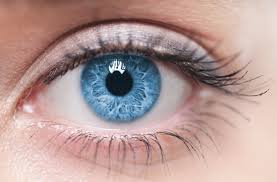
In The Bluest Eye, Pecola spends a lot of time thinking about blue eyes, whether they are on toys, dolls, or celebrities, it's something she just can't get off her mind. "It had occurred to Pecola...if those eyes of her were different, that is to say, beautiful, she herself would be different...Maybe [her parents would] say, 'Why, look at pretty-eyed Pecola. We mustn't do bad things in front of those pretty eyes'"(Morrison 46). Throughout the novel, the reader begins to take pity on Pecola. Her family neglects her and she doesn't have many friends. If circumstances were different, perhaps she wouldn't need blue eyes to make herself feel accepted. To Pecola, it's as if blue eyes could solve all of her problems. Today, we see that colored contacts are very common and plastic surgery is almost normal, thanks to the media and changing beauty standards. Day in and day out, people see new trends arising. From purple hair to big lips, all of these trends have something in common- people are trying to stand out and be unique. In Pecola's instance, she wants to be looked at as more than just a black girl; she wants to be different, yet beautiful.
In The Bluest Eye, Pecola spends a lot of time thinking about blue eyes, whether they are on toys, dolls, or celebrities, it's something she just can't get off her mind. "It had occurred to Pecola...if those eyes of her were different, that is to say, beautiful, she herself would be different...Maybe [her parents would] say, 'Why, look at pretty-eyed Pecola. We mustn't do bad things in front of those pretty eyes'"(Morrison 46). Throughout the novel, the reader begins to take pity on Pecola. Her family neglects her and she doesn't have many friends. If circumstances were different, perhaps she wouldn't need blue eyes to make herself feel accepted. To Pecola, it's as if blue eyes could solve all of her problems. Today, we see that colored contacts are very common and plastic surgery is almost normal, thanks to the media and changing beauty standards. Day in and day out, people see new trends arising. From purple hair to big lips, all of these trends have something in common- people are trying to stand out and be unique. In Pecola's instance, she wants to be looked at as more than just a black girl; she wants to be different, yet beautiful.

Subscribe to:
Post Comments (Atom)
No comments:
Post a Comment